Pediatric Eye Exams
Healthy Vision Starts Early
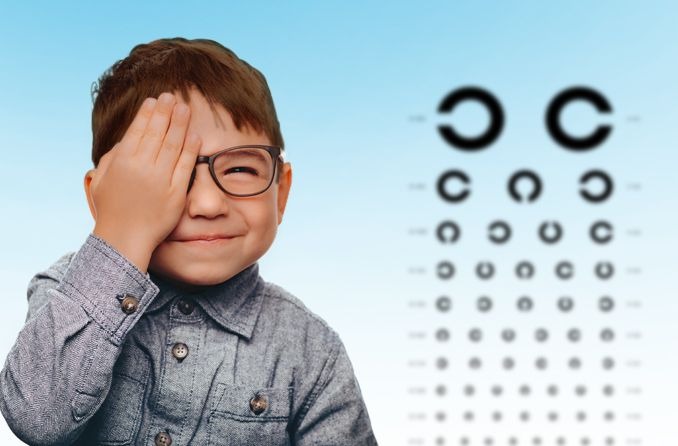
A child’s vision plays a vital role in learning, development, sports, and everyday activities. Because children often assume everyone sees the way they do, they may not realize they have a vision problem. Many common childhood eye conditions develop gradually and can go unnoticed without a comprehensive eye examination.
At Valley Vision Source, we provide comprehensive pediatric eye exams designed to evaluate your child’s vision, eye health, and visual development at every stage of childhood. Early detection allows us to identify problems before they begin affecting school performance, sports and long-term eye health.
Why Are Pediatric Eye Exams Important?
A comprehensive eye exam is much more than a vision screening. While school screenings can identify blurry vision, they often miss conditions that affect how children focus, track, and process visual information.
A comprehensive eye exam can detect:
- Nearsightedness (myopia)
- Farsightedness (hyperopia)
- Astigmatism
- Amblyopia (“lazy eye”)
- Strabismus (eye turn)
- Eye teaming and focusing problems
- Color vision deficiencies
- Eye health conditions affecting the retina, optic nerve, and other structures
Early diagnosis gives children the best opportunity for successful treatment and healthy visual development.
Myopia Is Becoming More Common
Nearsightedness (myopia) is one of the fastest-growing eye conditions among children. Children with myopia have difficulty seeing distant objects clearly, making it harder to see classroom boards, road signs, or objects across a room.
Myopia often progresses as children grow. Higher levels of myopia are associated with an increased risk of eye diseases later in life, including retinal detachment, glaucoma, cataracts, and myopic macular degeneration.
At Valley Vision Source, we offer several evidence-based myopia control options to help slow the progression of nearsightedness in children and reduce their lifetime risk of eye diseases associated with high myopia. Our treatment options include:
- Essilor Stellest® myopia control lenses, specially designed eyeglass lenses that have been clinically shown to slow myopia progression.
- low-dose atropine eye drops, a safe and effective nightly treatment that helps reduce the rate of prescription changes.
- soft multifocal contact lenses, which provide clear vision while also helping to control eye growth.
- orthokeratology (Ortho-K), custom-designed overnight contact lenses that gently reshape the front surface of the eye, providing clear daytime vision without glasses or contacts while helping to slow myopia progression.
During your child’s comprehensive eye exam, our doctors will recommend the treatment option that best fits their age, prescription, lifestyle, and visual needs.
Amblyopia Can Be Treated-If Caught Early
Amblyopia, commonly known as “lazy eye,” is one of the leading causes of reduced vision in children. It occurs when one eye does not develop normal vision during early childhood.
Because amblyopia often develops without obvious symptoms, many children don’t complain about poor vision. The earlier it is diagnosed, the more successful treatment is likely to be.
Signs Your Child May Need an Eye Exam
Schedule a comprehensive eye exam if your child:
- Squints to see distant objects
- Sits very close to the television or holds devices close to their face
- Frequently rubs their eyes
- Complains of headaches or tired eyes
- Has difficulty reading or loses their place while reading
- Avoids reading or other close-up activities
- Covers or closes one eye while reading or looking at objects
- Tilts or turns their head to see better
- Has one eye that appears to drift or cross
- Struggles to see the classroom board
- Has trouble concentrating at school
- Experiences frequent eye watering or excessive blinking
- Has a family history of childhood eye conditions or high myopia
Even if your child has none of these signs, routine eye exams remain important because many vision problems develop without noticeable symptoms.
Helping Your Child See Their Best
Clear, comfortable vision helps children succeed in the classroom, enjoy sports, build confidence, and experience the world around them. Whether it’s your child’s first eye exam or a routine annual visit, our team is committed to providing compassionate, comprehensive eye care for every stage of childhood. Our goal is to make every visit positive, educational, and stress-free for both children and parents.
Contact Valley Vision Source today to schedule your child’s comprehensive eye exam and help protect their vision for years to come.